The work remains.
The knowledge around it can disappear.
When an artist's archive passes to another generation, the challenge is not simply knowing what exists.
Preserve what is known before the story is lost.
Oil on canvas
- “P. 1974”
- Galerie X · Paris
- Exhibition · 1976
- Unknown
- Unknown
- Research in progress
PYLOS does not identify, authenticate or attribute works.
You inherit the works.
Not always the history.
- Paintings
- Sculptures
- Works on paper
- Photographic negatives
- Prints
- Labels
- Notebooks
- Invoices
- Exhibition photographs
- Letters
- Frames
- Archive boxes
- What is this?
- When was it made?
- Is it unique?
- Are there other copies?
- Was it exhibited?
- Who owned it?
- Where has it been?
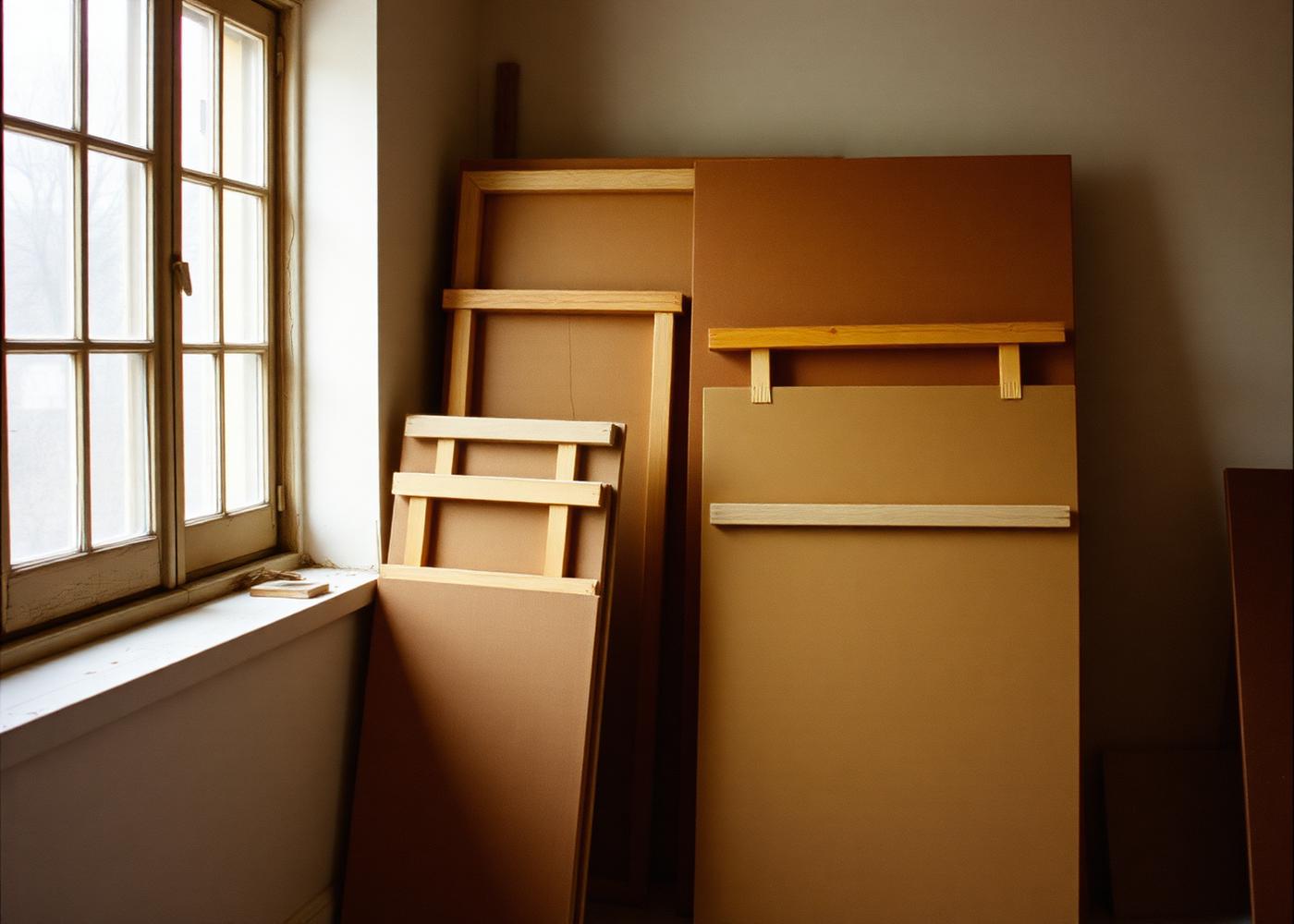
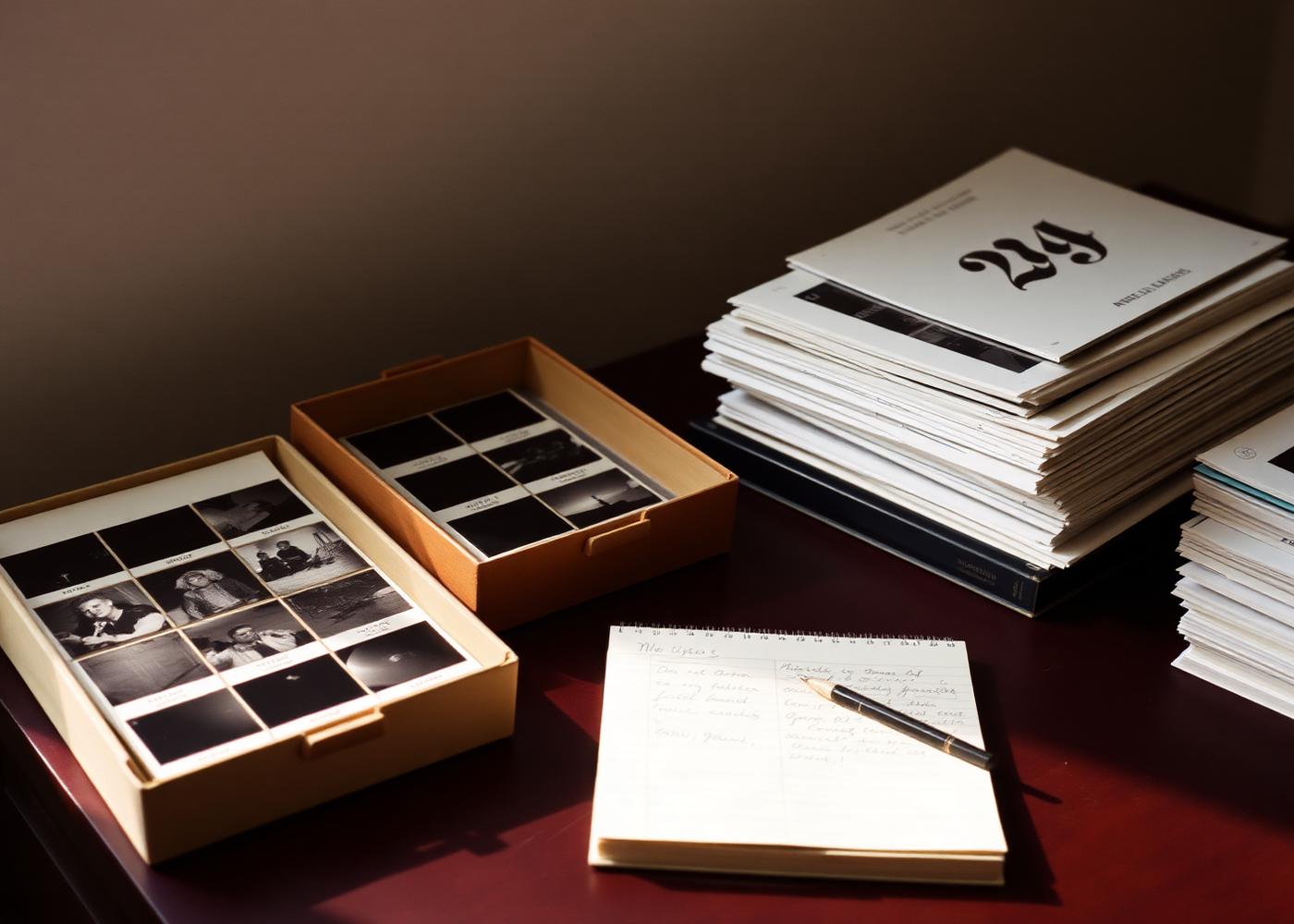
The record may already exist.
Just not in one place.
PYLOS gives those fragments a structure around the physical work.
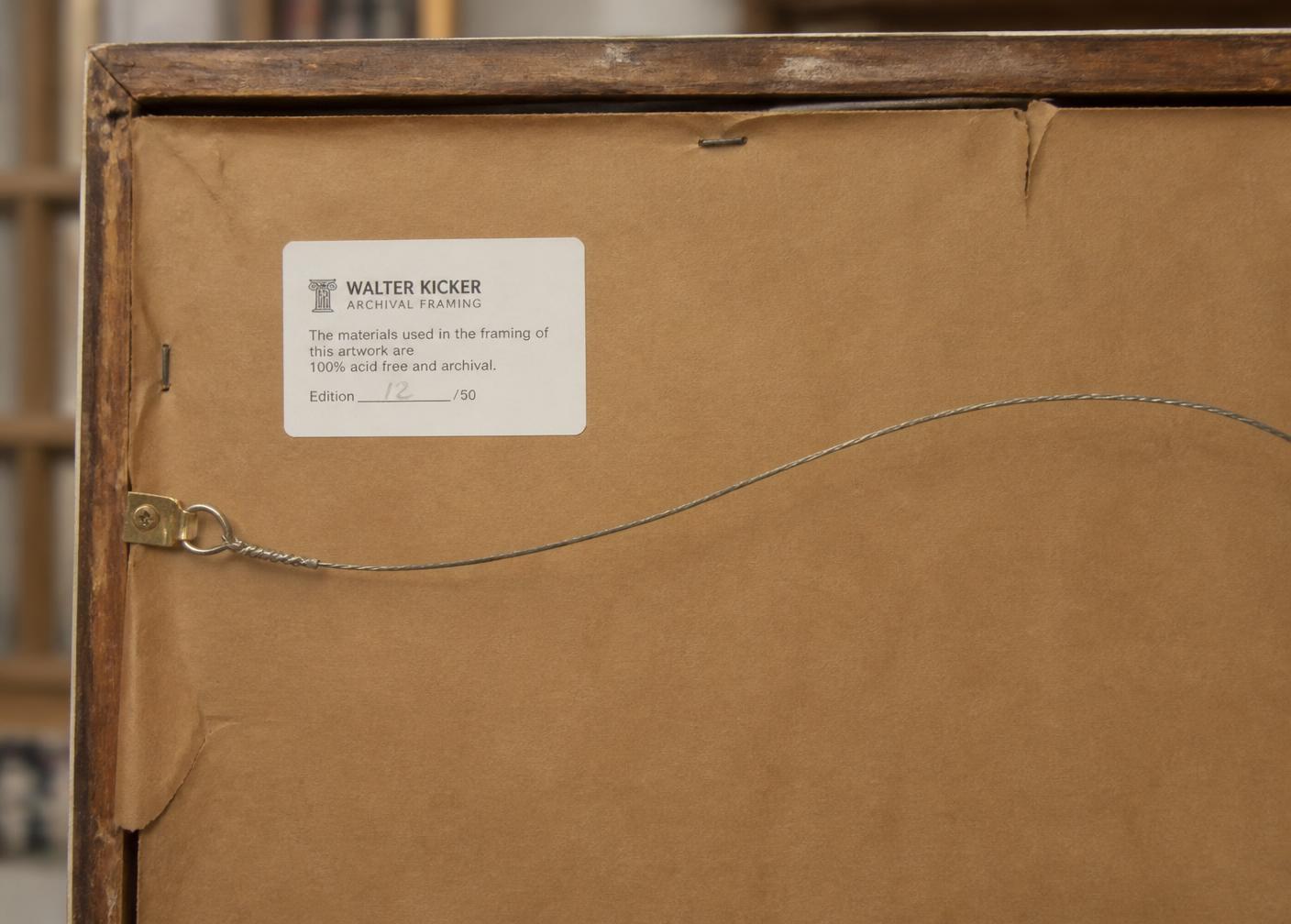
“Paris 1976”
Galerie X
Paris · 1976
Untitled / No. 42
“Shown in Paris”
PYL-00421
Knowing what you don't know
matters too.
- Artist
- Medium
- Dimensions
- Exhibition · Paris · 1976
- Working title
- Previous ownership
- Exact production date
The record can become more precise as evidence improves.
Uncertainty remains visible until evidence supports a conclusion.
Exhibition — Paris · possible
2027 — Gallery archive found
Exhibition — Paris · 1976 · confirmed
Preserve what is known.
Do not invent what is not.
A missing fact is better than a false certainty.
The studio's memory
eventually becomes an archive.
An artistic legacy is more than what survives physically.
It is what can still be understood.
PYL-00421
Artist
Studio
Family
Estate
Foundation / Researcher
Future generation
A legacy can contain
different kinds of identity.
- Untitled
- Oil on canvas
- Unique
- Produced · Exhibited · Returned to studio
- Untitled #14
- Pigment print · 40 × 60 cm Edition: 15 + 2 AP
- 03 / 15
- Produced · Sold · Loaned
- Standing Form
- Bronze Edition: 6 + 2 AP
- 2 / 6
- Produced · Exhibited

The work had a life
before it reached you.
You may only know part of the journey today. The record can grow as more is discovered.
PYL-00421
Produced
Exhibited · Paris
Private Collection
Returned to Studio
Exhibited · Madrid
Estate Archive
Already have spreadsheets,
catalogues or databases?
Bring them with you.
An inherited archive may already exist across spreadsheets, databases, PDFs and physical documentation. PYLOS is being designed so structured records can become the starting point rather than forcing the archive to begin again.
Responsible for
an artistic legacy?
We're interested in speaking with artist families, estates, foundations, studio managers, archivists, gallery successors and professionals responsible for inherited bodies of work.
Real archives can help us understand where information disappears, where uncertainty matters and how records should survive change.